Who powers Lakewood
Lakewood once made its own electricity. It sold its plant to the Cleveland Electric Illuminating Company in 1907, and that company, now part of FirstEnergy, has owned the city's wires ever since. This is that history, from the court records.
The city's own plant
1890s to 1907
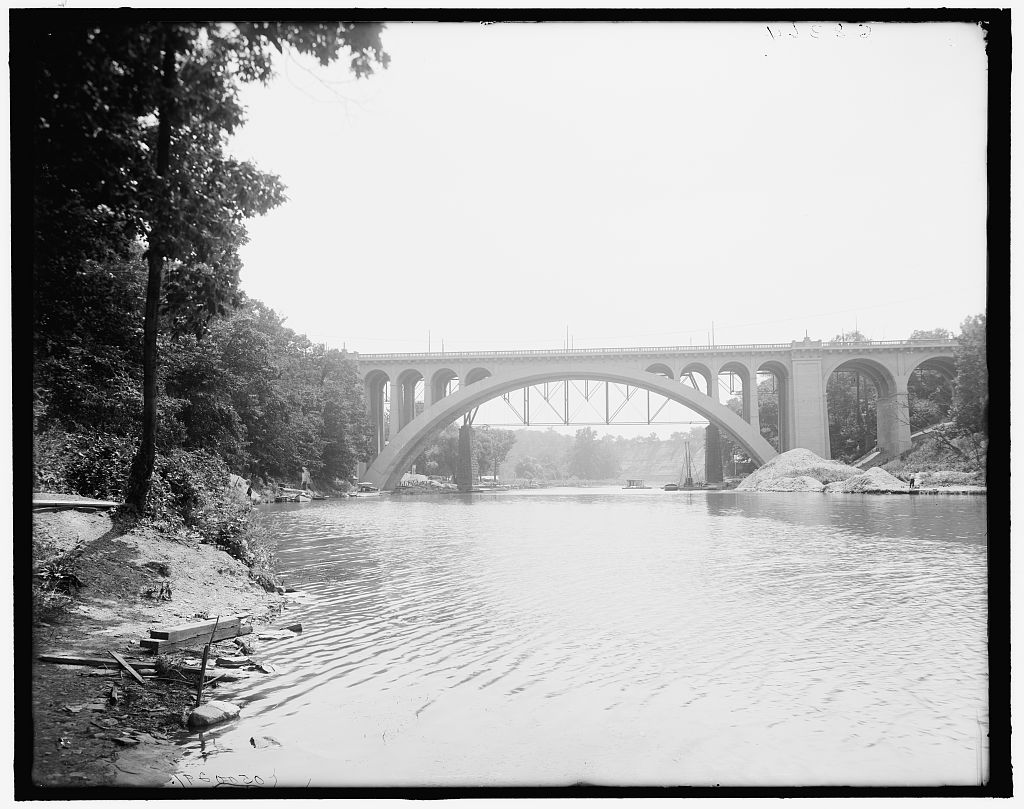
In the 1890s Lakewood was a hamlet run by a three-member board. Under board president Clayton L. Tyler (1892 to 1897), it built a water system, sewers and electric lights. In 1896 a municipal light plant was proposed, and resident John French led the effort to see it through. According to the Lakewood Historical Society, the plant "did good service for several years" before the Illuminating Company bought it.1 A 1918 court opinion describes it as built "at public expense" for public and private lighting.2
Lakewood became a village in May 1903.3
The sale
March 18, 1907
On or about March 18, 1907, the village sold its plant to the Cleveland Electric Illuminating Company (CEI) for $76,600. The same ordinance gave CEI a franchise to use the streets. It also required CEI to extend lines "without cost or expense" to customers wherever it could sign one customer for each 300 feet of new line.2
Why the village sold is not documented in the sources reviewed for this page.
The promise, in court
1917 to 1918
During the First World War, CEI began requiring Lakewood residents who wanted new service to deposit money up front, citing heavy wartime demand for power. Lakewood, by then a city, sued to enforce the 1907 promise of free extensions.2
Lakewood lost. The Cuyahoga County Court of Common Pleas held the 1907 ordinance void because it combined two subjects, the sale and the franchise. It held that state regulation under the 1911 Public Utilities Act took precedence over the local terms, and that before 1908 Ohio villages had no legal power to sell electricity to residents at all.2
The judge was candid about what CEI had bought:
"It must be admitted that when the defendant entered into negotiations with the village of Lakewood, it was casting an anchor to westward or seeking to protect its western flank from the possible aggression of competitive forces."
He added that the court had "no illusions as to the motives" behind CEI's effort to escape its contract, but ruled for the company on the law.2
Next door: Cleveland's Muny Light
1906 to 1984
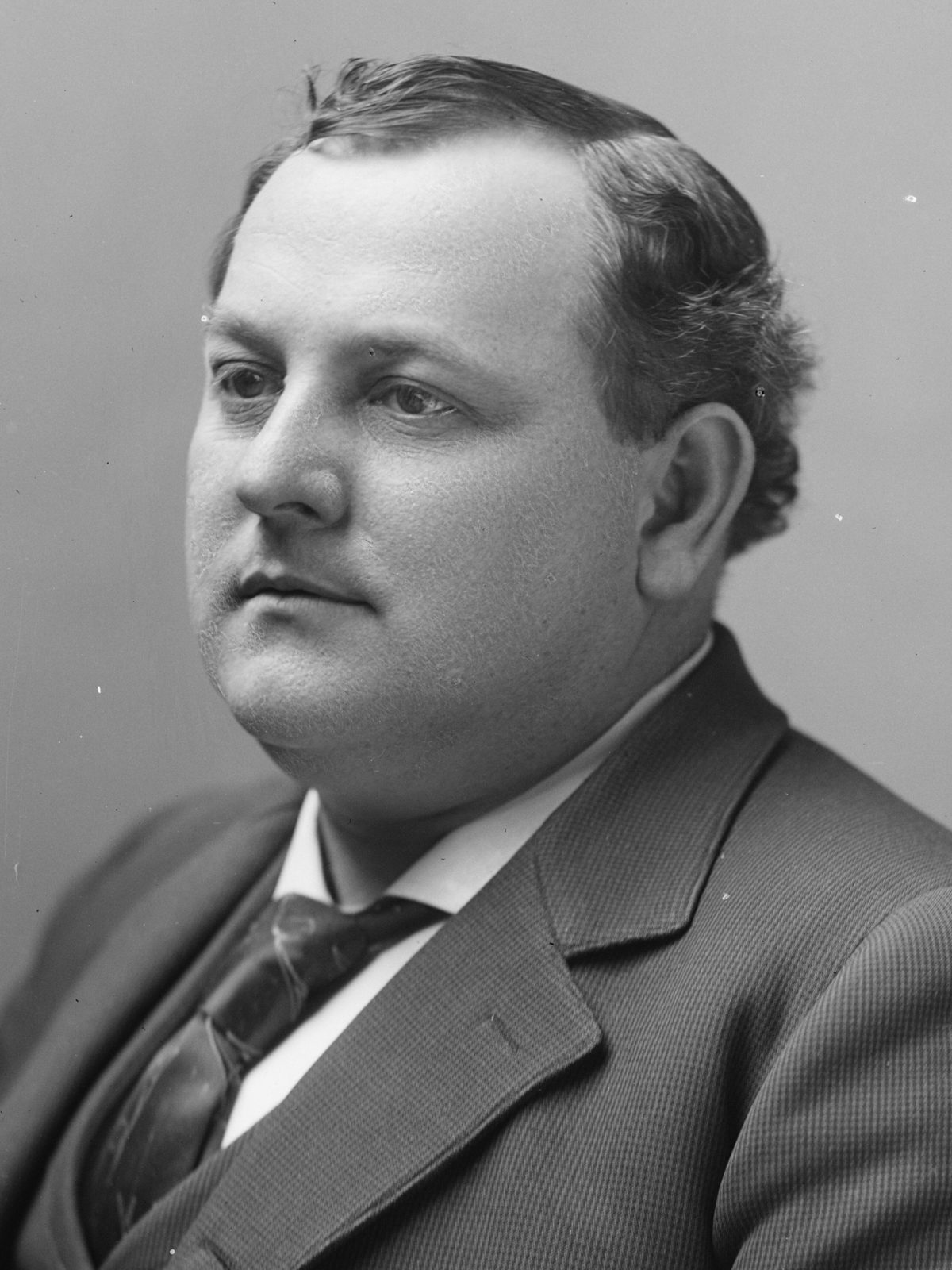

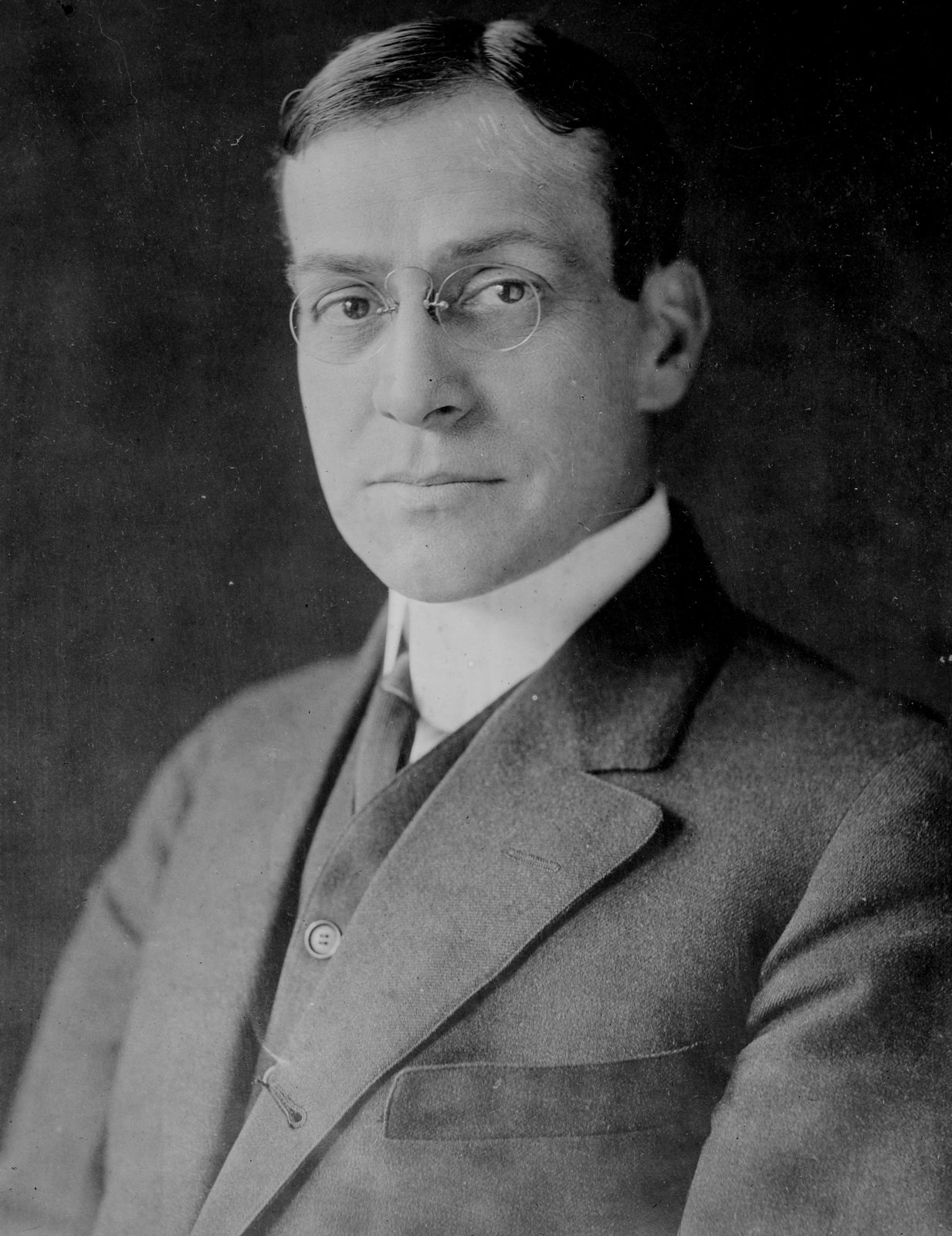

Cleveland took a different path. Out of Mayor Tom L. Johnson's push for public ownership, the city entered the electric business in 1906. Under Mayor Newton D. Baker, its East 53rd Street plant began operating in 1914 as the largest municipal plant in the country.4
The rivalry with CEI lasted decades. In 1977 a licensing board of the Nuclear Regulatory Commission found that CEI and its partners had engaged in anticompetitive conduct, and an appeal board affirmed in 1979. Conditions were attached to the licenses for the Davis-Besse and Perry nuclear plants.5 Cleveland also sued CEI under federal antitrust law, but a federal jury found for CEI in 1981, and the Sixth Circuit affirmed in 1984.6
In December 1978 Cleveland defaulted on $14 million in notes held by six banks, after Mayor Dennis Kucinich refused to sell Muny Light to CEI. In February 1979 voters rejected the sale.7 Kucinich later told a congressional subcommittee that a bank had deliberately forced the default; that is his account.8 The utility survives today as Cleveland Public Power.4

The Freedom substation
December 30, 1980
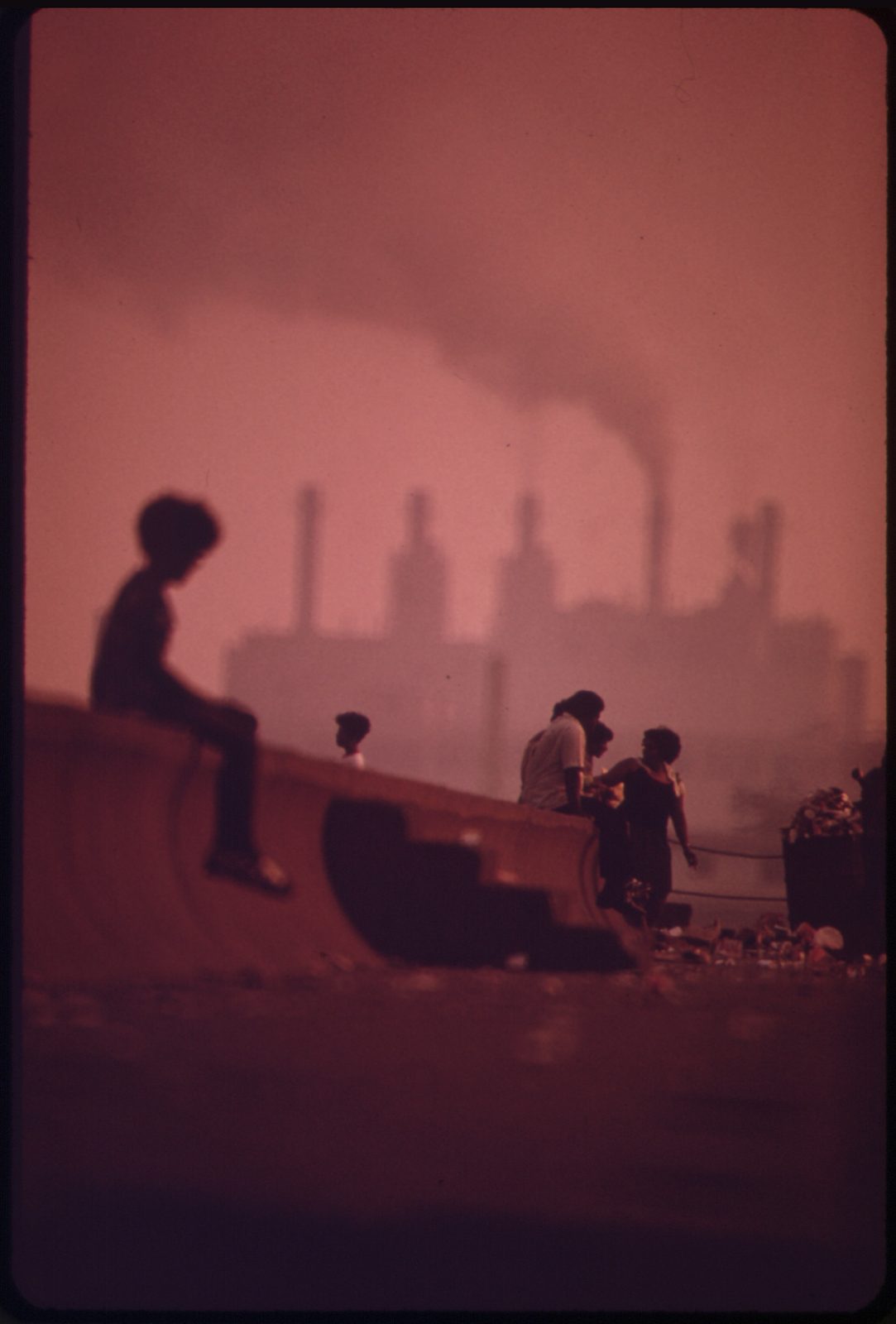
Lakewood went back to court over a new CEI substation, Freedom, built in the city. In a 4 to 3 decision, the Ohio Supreme Court held that the substation was a "public utility facility" under state law (R.C. 4905.65), which largely limited Lakewood's power to regulate it. The dissenting justices noted testimony that the substation's power would go to Lakewood customers only.9 Freedom still serves part of Lakewood today; PUCO Staff listed it among the substations feeding the city in 2025.10
FirstEnergy
1986 to today
CEI and Toledo Edison combined as Centerior in 1986, and Centerior merged with Ohio Edison to form FirstEnergy in 1997.11 Lakewood residents now buy their electricity supply through NOPEC, a regional buying group, but CEI still owns and runs the wires, poles and substations.12
In 2021 FirstEnergy entered a deferred prosecution agreement with federal prosecutors. It admitted paying more than $59 million to a group controlled by Ohio's House Speaker in exchange for official action, including House Bill 6, and paid a $230 million penalty.13 The full account is on the main page.
Two summers of failures
2025 to 2026
In July 2025 PUCO Staff sent CEI a notice of probable non-compliance over Lakewood outages from June 22 to July 7, finding that storms and wind "were not a factor."10 On August 7, 2026, Staff sent a second notice over outages from June 30 to July 15, 2026, proposed a $3,049,750 penalty that is not yet final, and reported garden-style sprinklers cooling transformers at two substations.14 In August 2026 FirstEnergy's CEO was reported as saying the Lakewood system is "too old" and "not reliable," and that replacing it could take seven to nine years.15
Another Ohio town that bought back its power
Clyde, Ohio
.jpg)
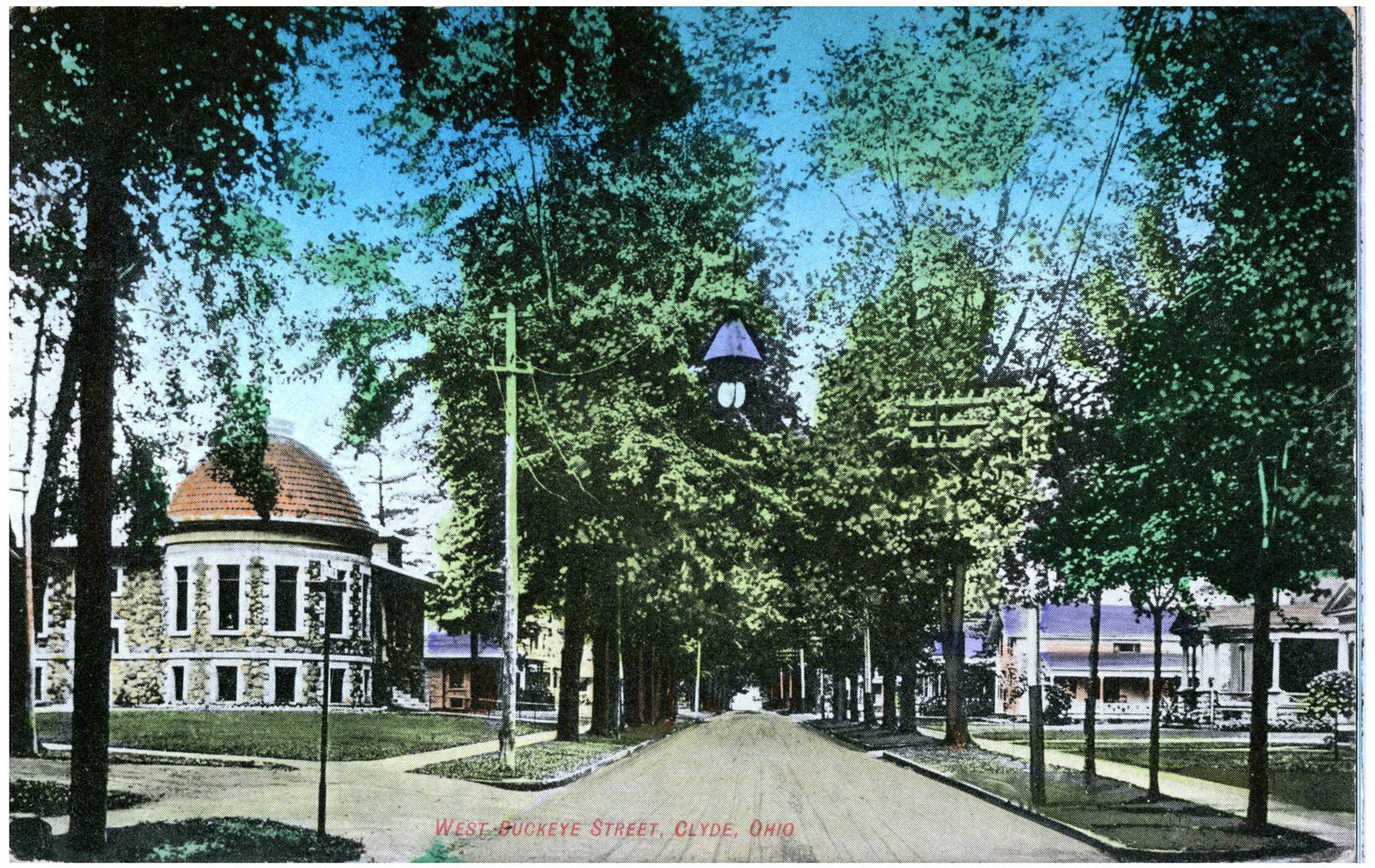
The village of Clyde, in Sandusky County, sold its electric system to Toledo Edison in July 1965 under a 25-year franchise that was not exclusive. In 1987 Clyde re-established a municipal electric system and then built its own distribution lines. In 1996 the Ohio Supreme Court held that Clyde "had constitutional authority to build a municipal utility to serve its inhabitants," a right "not generally subject to statutory restriction," while also holding that existing Toledo Edison service was protected unless state regulators approved otherwise.16
In court
How the major cases came out
| Year | Case | Result |
|---|---|---|
| 1918 | Lakewood v. CEI: enforce the free-extension promise | CEI won; the 1907 ordinance was held void2 |
| 1979 | Nuclear Regulatory Commission review of CEI and its partners | Found anticompetitive conduct; conditions on plant licenses5 |
| 1980 | CEI v. Lakewood: the Freedom substation | CEI won, 4 to 39 |
| 1981 | Cleveland v. CEI: federal antitrust damages | Jury found for CEI; affirmed 19846 |
| 1996 | Toledo Edison v. Clyde | Clyde's right to build its own utility upheld; existing Toledo Edison service protected16 |
Sources
- Lakewood Historical Society, General History.
- City of Lakewood v. Cleveland Electric Illuminating Co., Cuyahoga County Court of Common Pleas (1918), 21 Ohio N.P. (n.s.) 289.
- Lakewood Historical Society, Politics and Government.
- Encyclopedia of Cleveland History, Municipal Ownership; Cleveland Historical, Muny Light.
- City of Cleveland v. NRC, U.S. Court of Appeals, D.C. Circuit (1995), recounting the 1977 and 1979 findings.
- City of Cleveland v. Cleveland Electric Illuminating Co., U.S. Court of Appeals, Sixth Circuit (1984).
- Encyclopedia of Cleveland History, Mayoral Administration of Dennis J. Kucinich.
- U.S. House Banking subcommittee hearing, July 10, 1979, govinfo.gov.
- Cleveland Electric Illuminating Co. v. City of Lakewood, 64 Ohio St.2d 374 (1980).
- PUCO Staff, notice of probable non-compliance to CEI, July 25, 2025.
- Encyclopedia of Cleveland History, Cleveland Electric Illuminating Co.
- NOPEC, electric pricing.
- U.S. Department of Justice, FirstEnergy charged federally, agrees to terms of deferred prosecution settlement, July 22, 2021; January 2025 release on the more than $59 million.
- City of Lakewood, statement on the 2026 notice; News 5 Cleveland, PUCO proposes $3 million fine.
- City of Lakewood, supplemental complaint to PUCO, relaying Crain's Cleveland Business, August 2026.
- State ex rel. Toledo Edison Co. v. Clyde, 76 Ohio St.3d 508, 1996-Ohio-376.